Waiting for Lower Mortgage Rates? Look at the Whole Deal.

If you’re waiting for mortgage rates to come down before buying a home, I understand. Your monthly payment matters, and you want to feel comfortable with what you’re spending.
But before you put your home search on hold, let’s look at what you may be able to negotiate today.
Your interest rate, purchase price, closing costs, and cash needed at settlement all affect affordability. A good mortgage strategy looks at how those pieces work together.
How Lower Mortgage Rates Can Affect Buyer Competition
Remember when mortgage rates were near 3%? Buyers loved the rates. Competing with multiple offers and paying above asking price? Not so much.
When rates fall, more buyers may enter the market. More competition can give sellers less reason to negotiate on price, closing costs, or repairs.
That does not happen the same way in every neighborhood or price range. But a lower rate does not automatically mean a better overall deal.
Do Homebuyers Have More Negotiating Power?
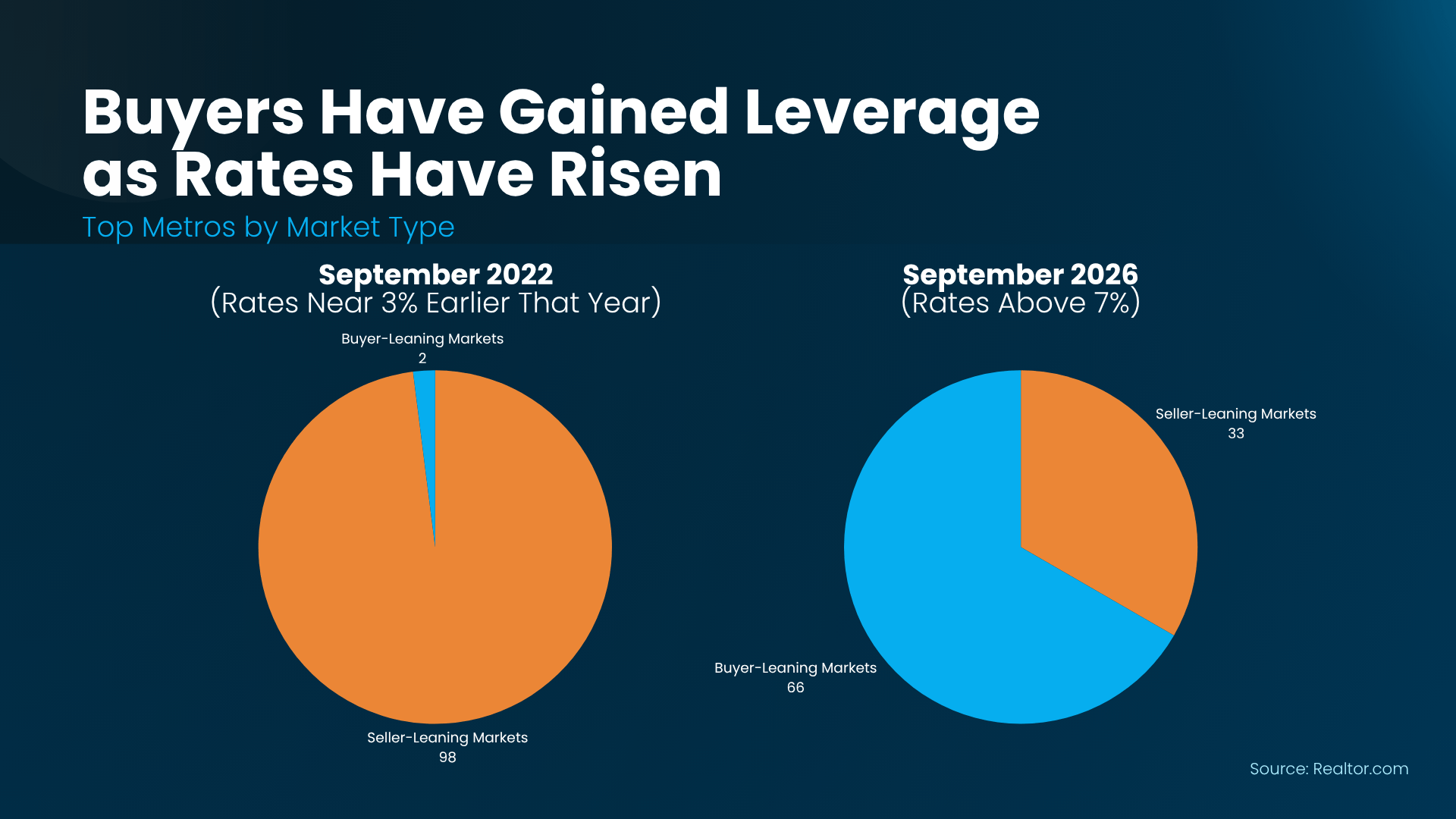
Realtor.com’s third-quarter 2026 report found that roughly two-thirds of the largest metro areas either favor buyers or are moving in that direction. That includes balanced markets becoming more favorable for buyers.
Here in Bucks County, Montgomery County, and the Philadelphia suburbs, your opportunity depends on the specific property and local competition.
Has the home been sitting on the market? Has the seller reduced the price? Are there competing offers?
Your real estate agent can evaluate the seller’s position. My job is to help you understand how different financing options could work with your budget.
What Can You Negotiate When Buying a Home?
Depending on the seller, property, and loan program, your options may include:
- A lower purchase price: Reduce the amount you need to borrow.
- Seller assistance toward closing costs: Reduce the cash you need at settlement.
- Seller-paid discount points: Lower your mortgage interest rate.
- A temporary rate buydown: Reduce your payments during an initial period.
- Repairs or other terms: Address property concerns before closing.
Seller contributions are subject to loan program limits. With a temporary buydown, you also need to understand and be comfortable with the full payment after the reduced-payment period ends.
Is a Price Reduction or Seller Credit Better?
It depends on what you need most.
If preserving savings is your priority, a seller credit toward closing costs may be worth comparing with a price reduction. If you want a lower monthly payment, we can evaluate a price reduction or seller-paid discount points.
Let’s compare the numbers before you decide what to ask for.
I can prepare a Total Cost Analysis showing how different purchase prices, seller contributions, and loan structures affect your payment, cash needed at closing, and costs over time.
That gives you and your agent a plan before you make an offer.
Should You Buy Now or Wait for Lower Rates?
Waiting can make sense if you need time to build savings, improve your credit, or decide where you want to live.
But if you’re waiting only for a lower rate, consider the whole picture. Rates may change, and so may home prices, competition, and seller flexibility.
If you find a home you love and the payment fits your budget, today’s rate does not have to be your forever rate. Refinancing may offer an opportunity to lower your payment if rates come down. Just be comfortable with your payment today, since refinancing depends on future rates, qualification requirements, available equity, and costs.
Bottom Line
You do not need to predict the mortgage market to make an informed decision. You need to understand your options and know what you can comfortably afford.
Let’s compare your mortgage options and see what works for your budget.